Drywall Repair & Drywall
Installation in Littleton, CO
Drywall problems rarely start where they become visible. Water, movement, and structural changes often affect more of the wall than homeowners can see from the surface. We provide drywall repair and drywall installation in Littleton, CO, with a focus on understanding how the wall is behaving before recommending the right solution. Our goal is not just to improve appearance, but to create repairs and installations that remain stable over time.
About Drywall Installation in Littleton Homes
Drywall installation looks like a finishing step, but in most projects it actually decides how the entire room will feel later.
If framing is slightly off, you see it in seams. If transitions between old and new walls are not handled carefully, light behaves differently across surfaces. Even small misalignments can create visual tension that homeowners notice every day without really knowing why.
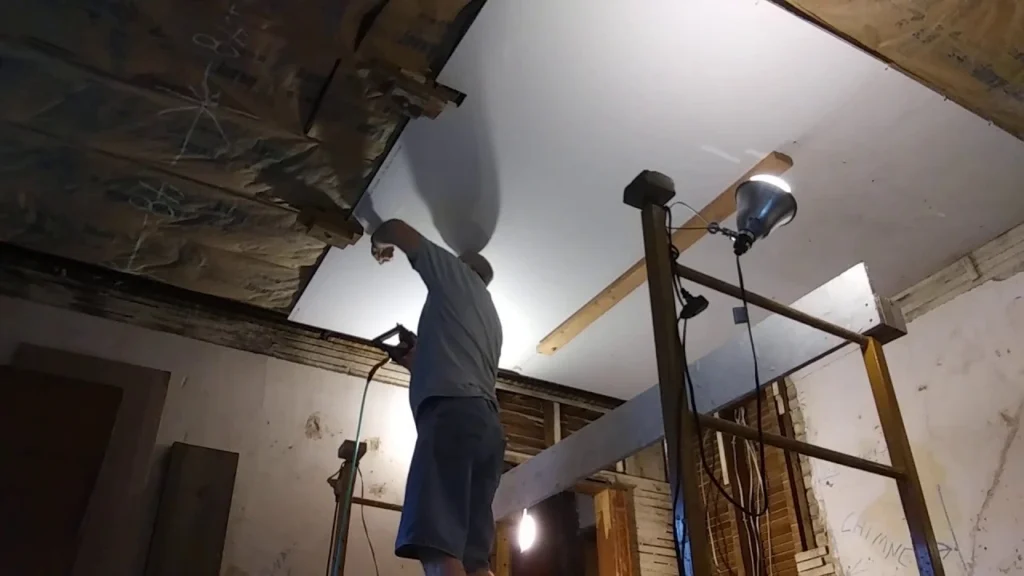
In Littleton remodels, especially basement finishing or room additions, installation usually involves blending different construction phases together. Old structure meets new framing. Existing ceilings meet fresh drywall lines.
And that’s where installation becomes less about sheets and more about alignment, flow, and how the room connects visually once everything is closed.
About Our Approach to Drywall Work in Littleton
The way we handle drywall work is not based on rushing into repair or installation. It starts with looking at how the wall is behaving first.
Sometimes that means identifying whether a crack is active or already settled. Sometimes it means checking if a water-damaged area is still holding moisture inside. Sometimes it’s just understanding why a specific corner keeps showing issues again and again.
The point is simple. Every wall has a reason behind its condition. If you skip that part, the repair becomes temporary in most cases.
So the process always starts slower than people expect. Not because it’s complicated, but because the wall usually needs to be understood before anything else is done.
Why Choose Us For Your Home in Littleton
Most drywall work problems don’t come from lack of effort. They come from rushing into solutions before understanding the condition properly.
What we’ve learned from working across Littleton, Lakewood, Centennial, and nearby areas is that no two homes behave the same way. Even similar cracks or water damage can have completely different causes underneath.
So instead of treating every job the same, the approach shifts based on what the wall is showing. Sometimes it’s a small repair. Sometimes it turns into a deeper section replacement. Sometimes installation needs adjustment because the framing tells a different story than expected. The focus stays on one thing. Make the wall stable, not just visible. Because a clean finish that doesn’t hold over time is not really a finish.
Our Completed Projects Before and After
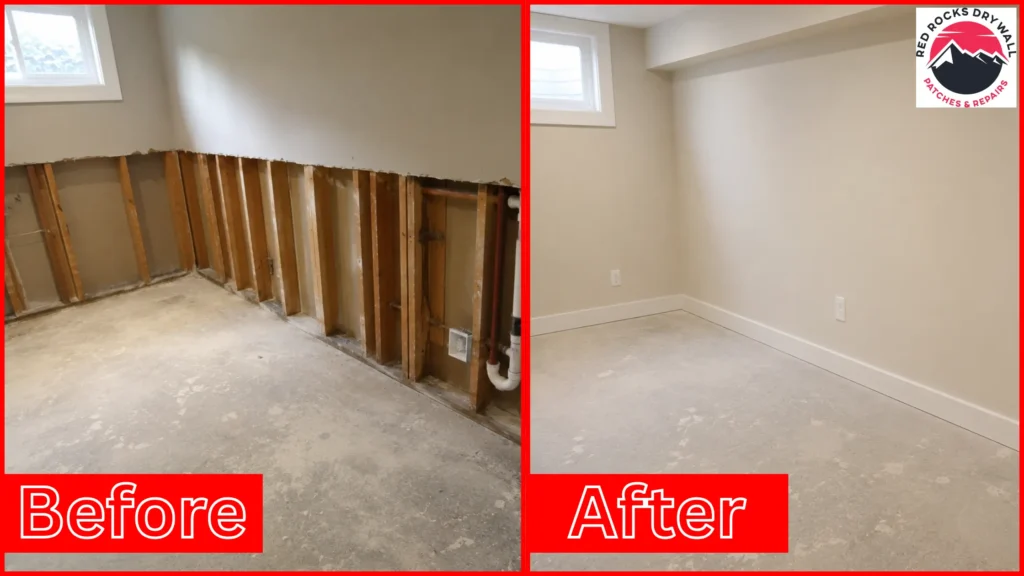
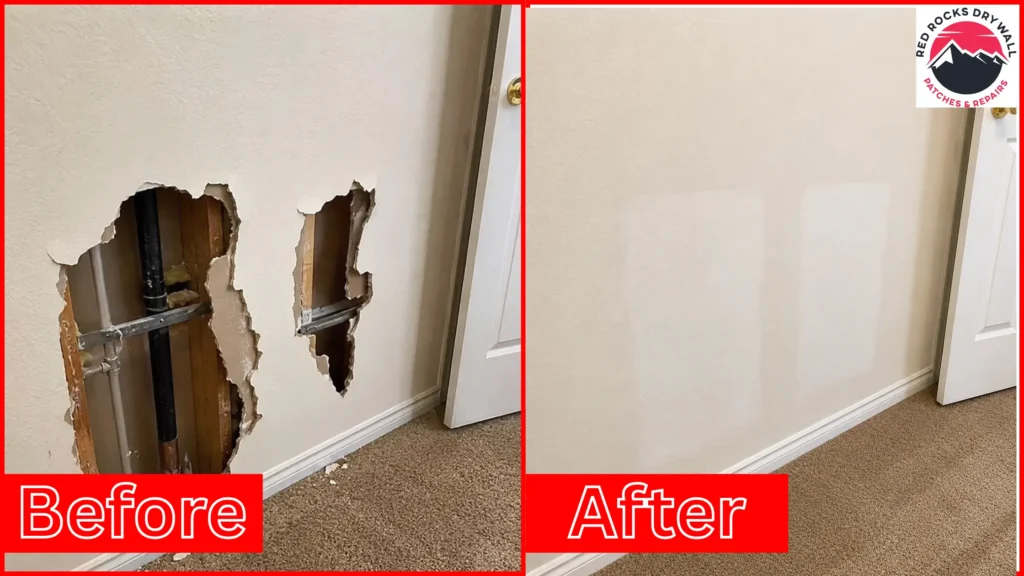
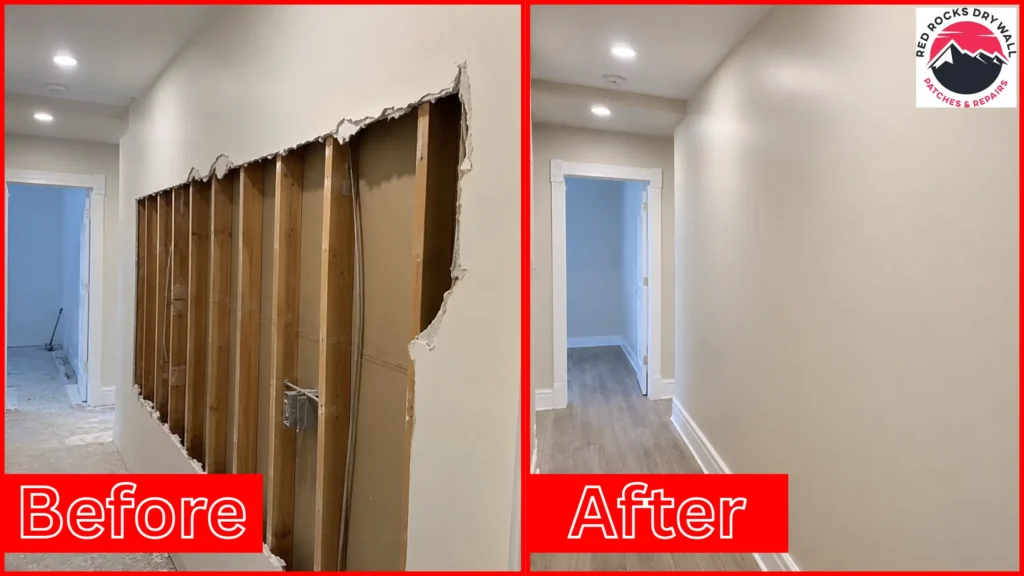
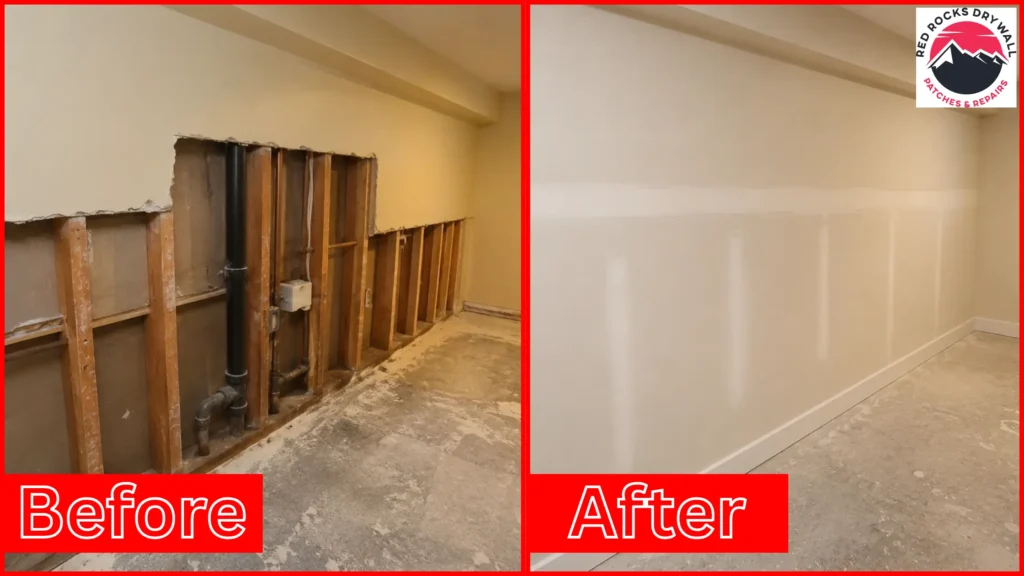
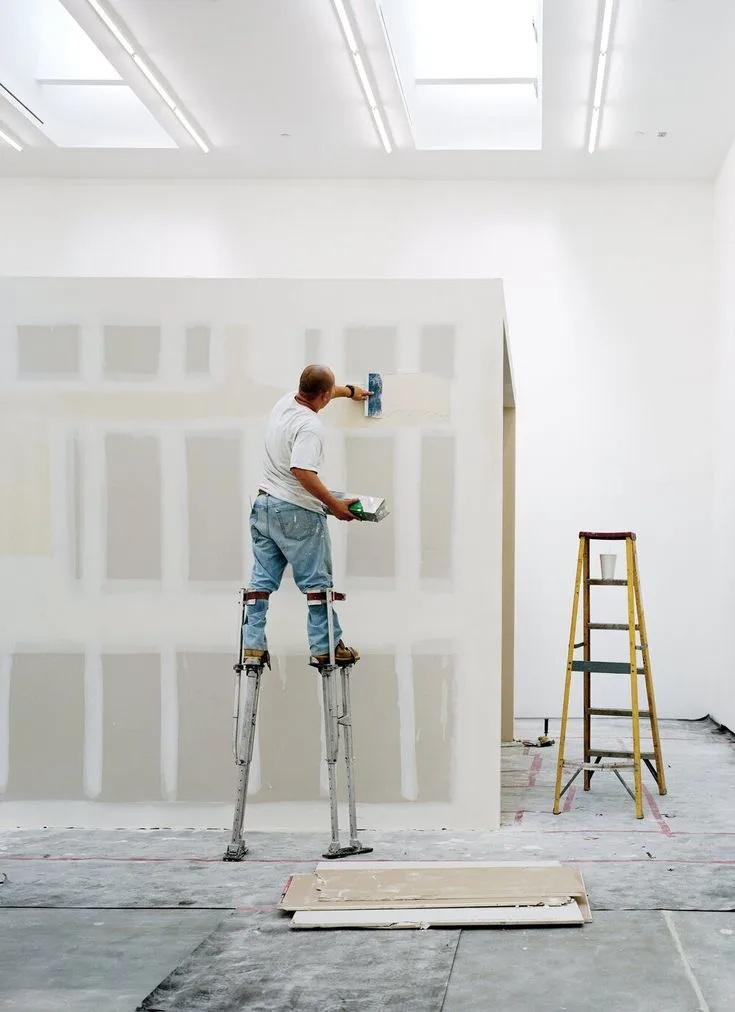
Dry Surfaces Can Still Hide Active Moisture Inside
A wall can feel dry and still not be stable inside. That’s something you only really understand after seeing enough repairs in different homes. The surface gives you one signal, the core gives you another.
Inside drywall, moisture doesn’t leave at the same speed everywhere. The outer layer dries first, then slower pockets stay trapped deeper inside, especially where insulation blocks airflow. That’s why a wall can look ready to repair, but still react later after painting or patching is done.
In places like Ken Caryl or Columbine, this shows up more in basement walls. You might finish a repair, everything looks fine for a few days, then after some temperature changes the same area starts showing texture movement again. Not because the repair was wrong on the surface, but because the inside was still not fully settled when it was closed.
Basement Walls Do Not Respond Like Regular Rooms
Basements have their own behavior pattern when it comes to drywall. Air movement is limited, temperature shifts are slower but deeper, and moisture does not exit the system the same way it does upstairs.
I’ve seen basements in Centennial where one section of drywall stays perfectly stable for years, while another section slowly starts showing changes after every winter cycle. Same house, same material, but the conditions around the wall are not identical.
That difference matters more than people think. Because when airflow is weak, moisture doesn’t disappear quickly. It stays in the system longer, and that changes how the material responds over time. Sometimes immediately, sometimes only after a full seasonal cycle passes.
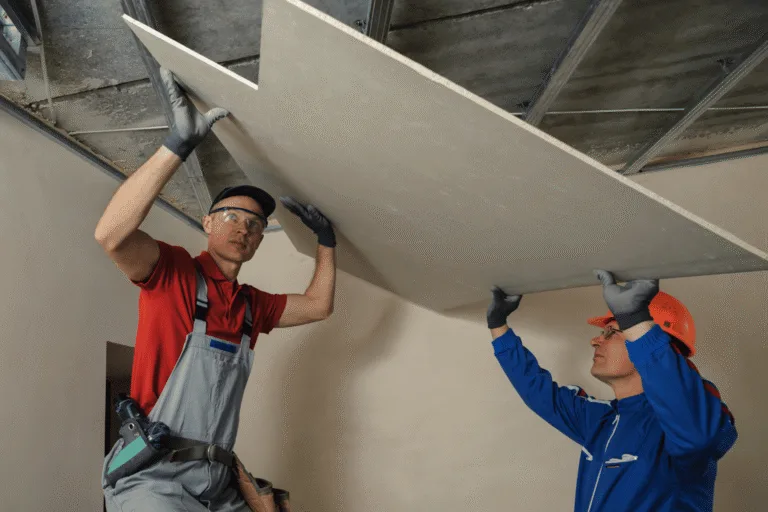
Not Every Damaged Wall Should Be Treated the Same Way
There are situations where repairing drywall is straightforward, and others where repair is technically possible but not really the right decision long term.
Older homes around Littleton sometimes show drywall that has been through multiple stress cycles already. Maybe past moisture events, maybe repeated patchwork, maybe just long-term movement in the structure. On the outside it still looks fine. Inside, it behaves differently.
You can patch it. It might even look perfect right after finishing. But over time, the same area can start reacting again, sometimes slightly off alignment, sometimes with texture changes that weren’t there before.
That’s usually a sign that the material itself is no longer fully consistent, and repairing it again is just working around the same weak point instead of removing it.
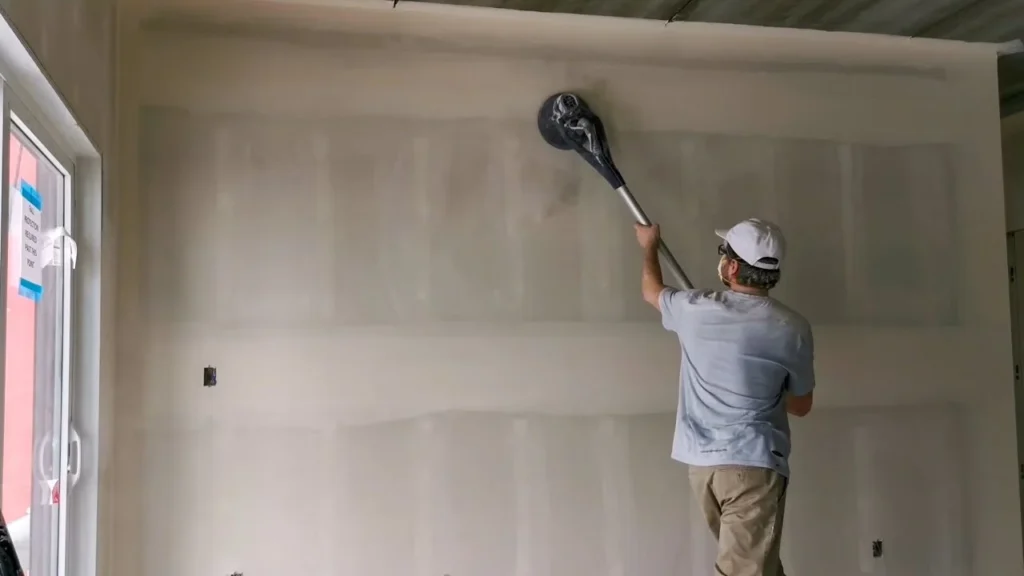
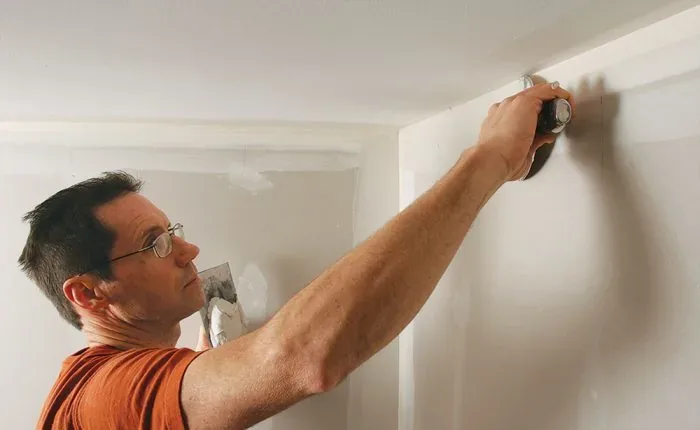
Drywall Work Always Ends Up Being About Stability, Not Appearance
At some point in every project, the focus shifts away from how the wall looks and more toward how it behaves over time.
A wall can look perfect on day one and still fail later if the underlying condition wasn’t stable. On the other hand, a repair that looks slightly more involved at the start can stay solid for years if the root cause was actually addressed.
That’s the part most people don’t see during the work itself. They only see the beginning and the end. The middle part is where the real decisions happen.
And in Littleton homes, that middle part usually decides whether the repair becomes temporary or long-term stable.
What Homeowners Usually Notice After Drywall Work Is Done
Most homeowners don’t notice the technical side of drywall work once it’s finished. They notice how the room feels again.
The wall that used to catch attention in the corner disappears visually. The repair area stops standing out under natural light. The room starts feeling normal again without that small distraction pulling focus every time someone walks in.
That’s usually the real sign the work is done right. Not how it looks immediately after painting, but how quickly people stop noticing it altogether.
In Littleton homes especially, where lighting changes a lot across seasons, that “disappearance effect” is what good drywall work aims for.
Hear Our Client's Experiences With Us
Our clients’ testimonials reflect their satisfaction with our services. We value their feedback and strive to exceed expectations. Their testimonials are a testament to our commitment to quality and customer satisfaction.
I had a few cracks and holes in my living room walls and searched for ‘drywall repair near me.’ Red Rocks Drywall came up and I’m so glad I called them! They were professional, fast, and my walls look flawless now. Highly recommended!
Some Questions & Answers About Drywalls
Here are some questions and answers about drywalls that clients ask me most of the time. Here, I am adding them for you so you can get all the answers from them.
How do I know if my drywall needs repair or complete replacement?
The answer depends on what is happening inside the wall, not just what is visible on the surface. Small cracks, dents, and isolated damage can often be repaired successfully. However, drywall that has experienced significant water exposure, repeated repairs, or material deterioration may be a better candidate for replacement. Evaluating the condition behind the visible damage helps determine which option will provide the most stable long-term result.
Can drywall still contain moisture even if it feels dry?
Yes. Drywall often dries unevenly. The surface may feel completely dry while moisture remains trapped deeper inside the material or surrounding insulation. This is one reason why some repairs fail shortly after completion. Before repair work begins, it is important to ensure the affected area has fully stabilized.
Why do drywall cracks keep coming back?
Recurring cracks are often related to movement within the home rather than the drywall itself. Seasonal expansion, settling, framing movement, and previous repair methods can all contribute to cracks reappearing over time. Understanding why the crack formed is usually more important than simply covering the visible line.
Do basement drywall repairs require a different approach?
In many cases, yes. Basement environments typically have different moisture levels, airflow conditions, and temperature patterns than the rest of the home. These factors can influence how drywall responds over time. A repair approach that works well in an upstairs room may not always be the best solution for a basement wall.
How long does drywall repair take?
The timeline depends on the extent of the damage, drying conditions, and the type of finish required. Some repairs can be completed relatively quickly, while larger repairs involving moisture damage, texture matching, or multiple finishing stages may require additional time to ensure the wall is ready for the next step.
The simple way to use our services
Schedule a Free Estimate
Call or email us to book your free, no-obligation assessment. We’ll inspect the damage and provide a clear, upfront quote.
Professional Repair
Our expert drywallers arrive on time, prep the area, and perform precise, high-quality repairs keeping your space clean throughout.
Seamless Finish
We sand, smooth, and (if requested) paint the surface to match your existing wall—leaving no trace behind.