Drywall Repair & Drywall Installation in Lakewood, CO
Many drywall calls we take from Lakewood involve work that has already been attempted once before. The visible damage gets patched, paint goes back on, and then the same area starts showing problems again 6 to 12 months later. That pattern means the condition behind the surface was never properly dealt with. We handle drywall repair and drywall installation in Lakewood, CO, starting with how the wall is behaving rather than what it looks like from the front.
About Drywall Installation in Lakewood Homes
Lakewood has many homes built between 1955 and 1975. Framing methods from that era don’t always match how current drywall sheet dimensions are designed.
When we work in Belmar or Green Mountain, we’re dealing with wood that has shifted and settled over 50 to 60 years. Studs at irregular spacing. Ceiling heights that vary from room to room, sometimes by several inches across the same floor plan. Corner angles that look square from the doorway until you measure them.
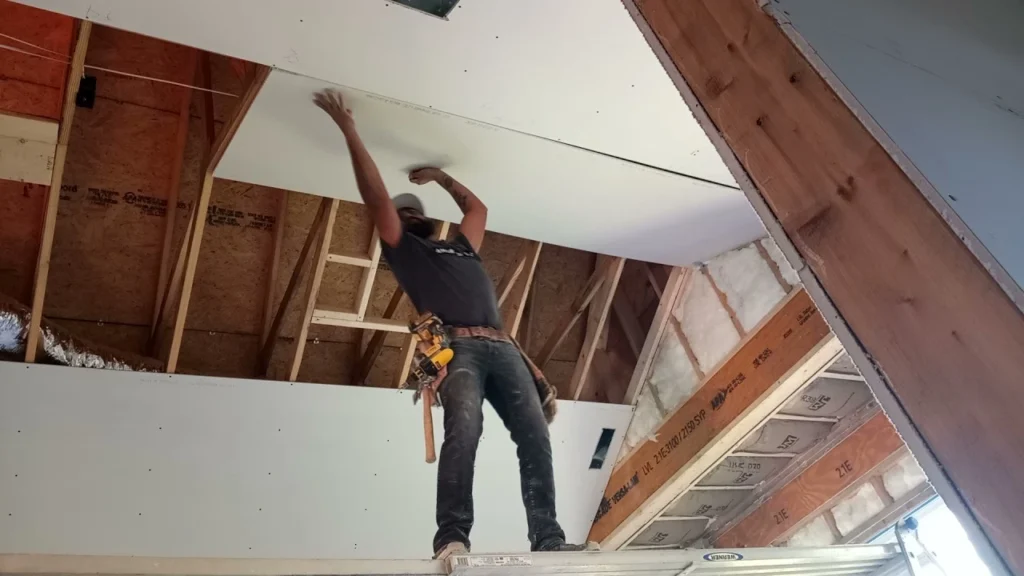
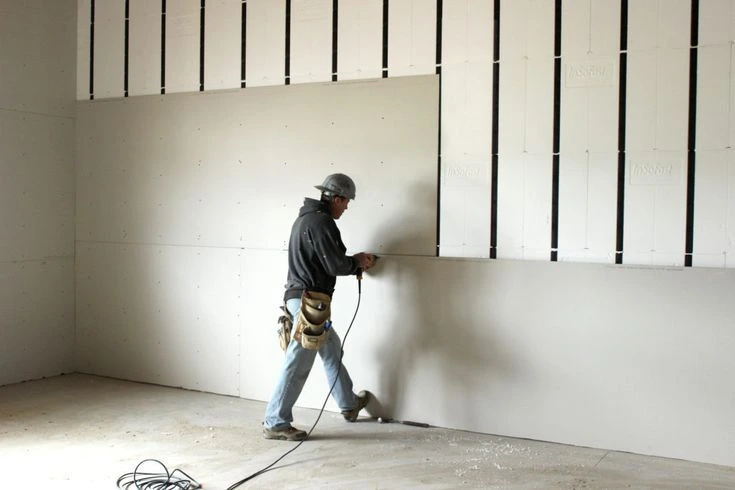
Installation in those conditions means checking real measurements before layout begins. You can’t assume standard spacing, and you can’t assume square corners. The framing is the deciding factor in older Lakewood homes, and it rarely matches what a newer build looks like.
About Our Approach to Drywall Work in Lakewood
Drywall work in Lakewood doesn’t start with us assuming we already know what the problem is.
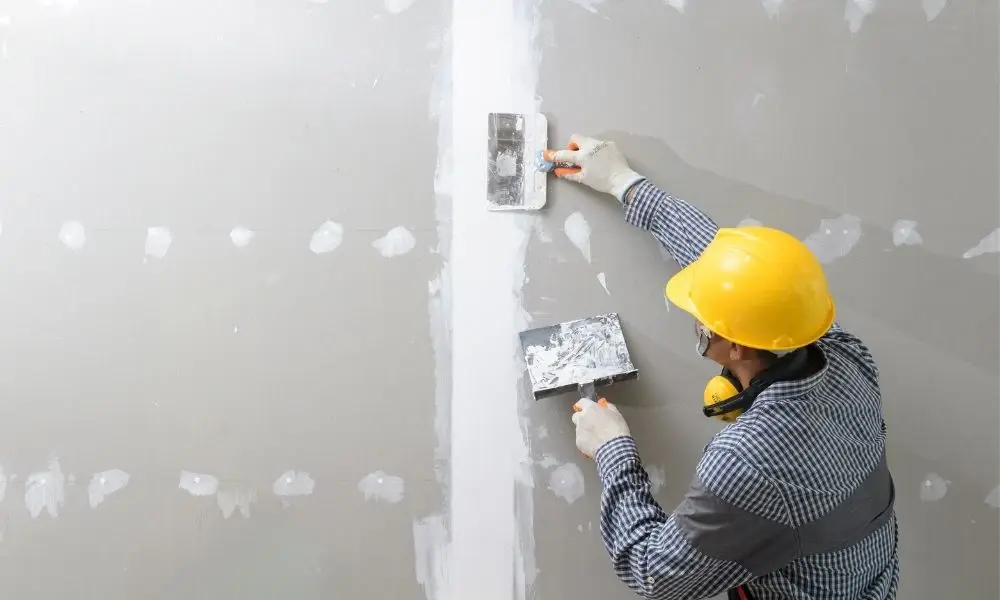
It begins with the wall. Is a crack still moving, or has it settled? Is water damage dry all the way through, or only at the surface? Is a section showing texture changes because of what happened above it, or because of movement in the framing below?
That step gets skipped regularly. It’s faster to go straight to patch and paint. But the calls we get 9 or 10 months later, from homeowners watching the same problem return, almost always trace back to that skipped step.
We don’t skip it. That’s what makes the difference, and it shows in how long the work stays stable.
Why Choose Us For Your Home in Lakewood
Recurring drywall issues in Lakewood homes rarely come from bad materials. They come from decisions made in the middle of the job, usually when wall conditions don’t match what was expected at the start.
Working across Lakewood, Englewood, and Morrison over the years, we’ve found that problems which look identical on the surface often come from completely different causes. Two walls with the same crack pattern can need different approaches, depending on framing conditions, structure age, and what previous work was done.
The approach shifts based on what the wall is showing. Sometimes that means a targeted repair. Sometimes it means taking out more than what’s visible and starting that section fresh. The goal stays the same: a wall that holds, not just one that looks right on the day the job ends.
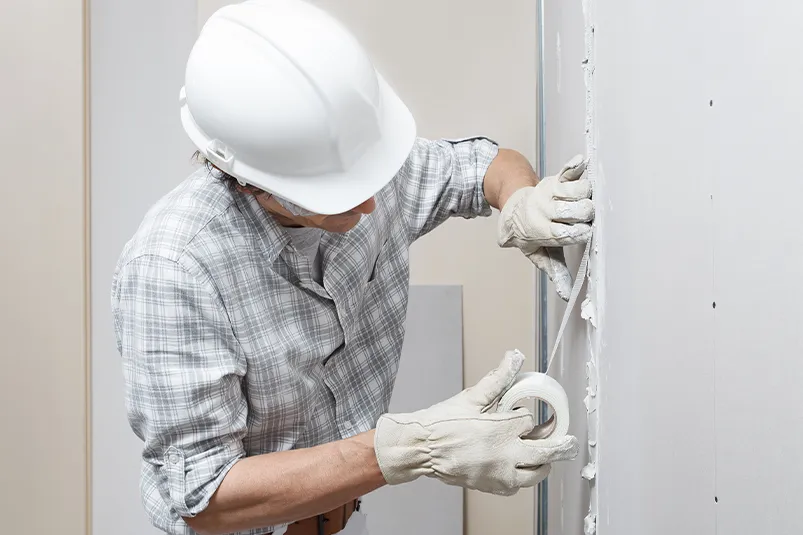
Cracks Near Door Frames and Windows Often Start Somewhere Else
In Lakewood’s older homes, cracks that appear around window corners and door frames are frequently not where the problem starts. The visible line is just where the stress exits to the surface.
A section of framing has shifted. The opening, structurally weaker than the wall field around it, shows that movement first. That crack is the symptom. The root cause sits somewhere else in the framing.
We see this pattern in Glennon Heights and Estes often enough that it’s become one of the more predictable repair categories we handle. Homeowners repair the crack at the window corner, paint over it, and within a season it reappears, sometimes in the same spot, sometimes 3 to 4 inches from where it was before.
That shift tells you the framing is still moving. Patching the surface without addressing what’s moving underneath delays the next visible crack. It doesn’t prevent it.
Foundation Movement in Lakewood Homes Changes How Walls Behave Over Time
The soil in Jefferson County runs heavy in clay content. Clay expands when wet and contracts during dry periods, and that movement transfers through foundations into framing and then into the walls above.
This shows up across Lakewood neighborhoods near Morrison Road and Alameda Avenue, where many homes were built before 1970. A wall that has been stable for years can develop new cracks after a wet spring or an unusually dry fall.
Patching without accounting for that seasonal movement is a fix that won’t last. The foundation moves again. The framing follows. And the wall cracks right at or near the old patch line.
We factor that into every recommendation, because the right solution changes when the ground itself is part of what’s moving.
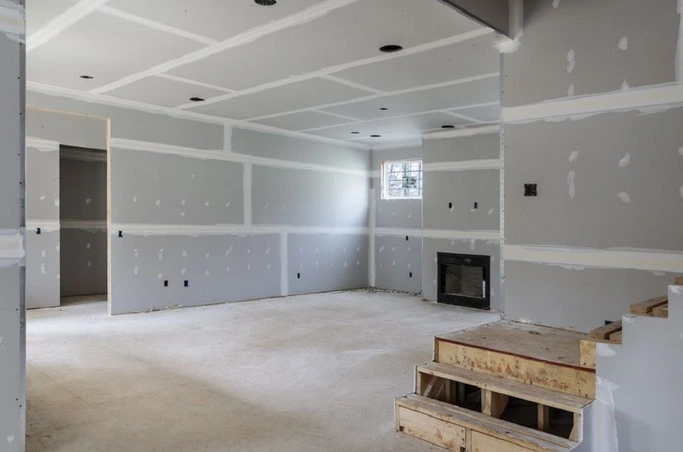
Not Every Damaged Wall Should Be Treated the Same Way
There’s a difference between a wall that can be repaired and a wall where repair is simply the wrong choice. Older Lakewood homes around Wadsworth Boulevard often have drywall that has been worked over multiple times. Past water events, old patch layers, and decades of structural movement have changed how the material holds together from the inside.
You can put fresh compound over it. The finish might even look good right after the work is done. But the same section starts showing movement within 4 to 6 months, sometimes at the patch edge, sometimes an inch away.
That’s not a repair problem. You’re dealing with material that no longer has the internal consistency to hold a repair. Removing and replacing that section is a more direct solution than patching the same weak spot again.
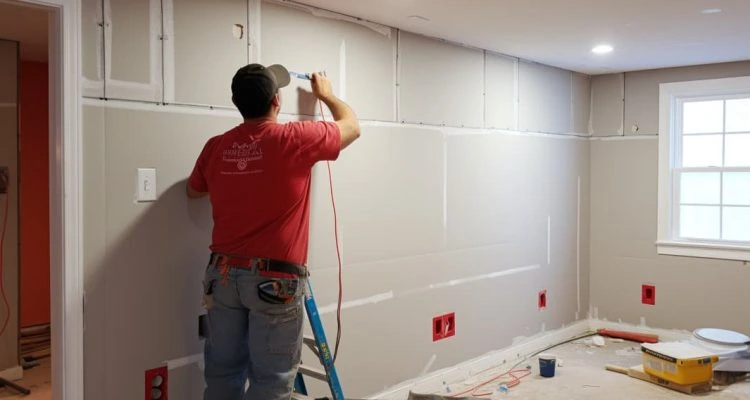
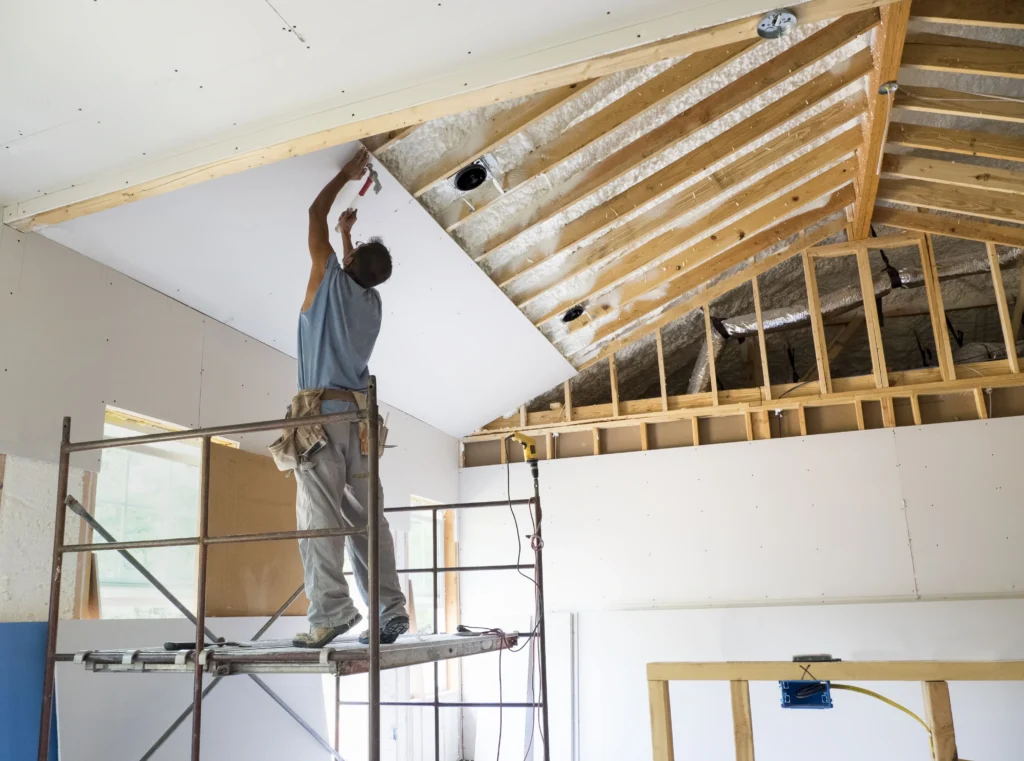
Drywall Work Always Ends Up Being About Stability, Not Appearance
Every drywall project comes down to the same question. Did the work address the real condition, or does the wall just look repaired right now?
A wall can be painted clean and still fail by next spring if what was inside it was never dealt with. We’ve seen that in Lakewood homes from Glennon Heights to Morse Park. The surface looks fine when the work ends. Six months later, a homeowner calls again.
The difference between a temporary fix and a stable repair usually happens in the middle of the job. Not at the start. Not at the finish. It’s in how the damage gets read before work begins, and whether the root cause is treated or just covered.
What Homeowners Usually Notice After Drywall Work Is Done
Homeowners don’t evaluate drywall work the same way contractors do. They don’t check seam density or compound layering. They walk back into the room and notice if the wall still catches their eye.
The spot they’d been looking at stops drawing attention. The repair area stops catching light at the wrong angle. The room goes back to feeling like a room instead of a constant distraction.
That’s the goal. Not a surface that impresses on the day it’s done, but one that disappears from notice within a week. In Lakewood homes, surface consistency under afternoon sunlight is what tells you the work held.
Hear Our Client's Experiences With Us
Our clients’ testimonials reflect their satisfaction with our services. We value their feedback and strive to exceed expectations. Their testimonials are a testament to our commitment to quality and customer satisfaction.
I had a few cracks and holes in my living room walls and searched for ‘drywall repair near me.’ Red Rocks Drywall came up and I’m so glad I called them! They were professional, fast, and my walls look flawless now. Highly recommended!
Some Questions & Answers About Drywalls in Lakewood
These are the questions Lakewood homeowners ask most before or after drywall work. The answers reflect what we see consistently across this area.
Does the Age of My Home Affect How Drywall Repairs Should be Approached?
Yes. Homes built before 1975 often have framing that has shifted and dried out over decades, which changes how the wall responds to repair work. In Lakewood’s older neighborhoods, what looks like a surface problem is frequently connected to framing conditions below. Repairs that don’t account for the wall’s structural history tend to fail within the first seasonal cycle.
Why Do Cracks Near Window and Door Frames Keep Coming Back?
The opening around a window or door is structurally weaker than the surrounding wall, so it shows framing movement first. When framing shifts, stress concentrates at those corners and creates visible cracks. Repairing the crack without addressing the movement underneath means the crack returns, sometimes in the same location, sometimes slightly offset from the original line. In Lakewood’s older housing stock, framing movement is a regular part of what we find behind recurring corner cracks.
How Does Colorado's Climate Affect Drywall Over Time?
Freezing and thawing cycles in the Denver metro area create seasonal movement in foundations and framing throughout the year. Jefferson County soil has a high clay content, which expands in wet conditions and contracts when it dries. That soil movement transfers up through foundations and into the walls. Drywall in homes along the Lakewood to Morrison corridor reflects that seasonal pattern in the form of cracks and seam separation that follow the same schedule as the climate.
When is Replacing a Section of Drywall a Better Decision than Repairing it?
When drywall has been patched repeatedly, or has absorbed water and dried out more than once, the material loses internal consistency. Fresh compound on top of old patch layers doesn’t bond the same way it does on the original board. The repair will fail again. At that point, replacing the section gives you a consistent surface to work from, which produces more stable results over time than continuing to work around the same weak spot.
How Do I Check Whether Drywall Work was Done Correctly After the Job is Finished?
The most reliable check is how the surface performs under angled natural light. Seam lines, patch edges that weren’t properly feathered, and texture inconsistencies all become visible when light hits the surface at a low angle. A finished wall should reflect light evenly across the entire surface. Viewing the wall under natural light from a window rather than directly under overhead fixtures is where most finishing problems reveal themselves if they exist.
The simple way to use our services
Schedule a Free Estimate
Call or email us to book your free, no-obligation assessment. We’ll inspect the damage and provide a clear, upfront quote.
Professional Repair
Our expert drywallers arrive on time, prep the area, and perform precise, high-quality repairs keeping your space clean throughout.
Seamless Finish
We sand, smooth, and (if requested) paint the surface to match your existing wall—leaving no trace behind.