Most drywall installation problems are not created on the day when applied. They are created much earlier, often during sheet layout, fastening patterns, framing preparation, or seam planning. The surface may look acceptable when the project is finished, but months later, screw pops, visible joints, corner movement, and uneven wall lines begin to appear. At Redrocks Drywall Construction, drywall installation is approached as a surface-building process rather than a material placement process. Every installation stage affects the next one. If framing is inconsistent, the finish becomes inconsistent. If joints are planned incorrectly, finishing becomes corrective work instead of finishing work. The installation system is designed to reduce those issues before they become visible.
Drywall installation does much more than cover framing. It creates the finished surface that influences how every room looks once painting, trim work, and lighting are complete.
A wall may appear straight during installation, but if sheet placement, seam positioning, or fastening patterns are not handled correctly, those issues often become visible later.
This is why drywall installation is approached as a surface-building process rather than simply attaching panels to a structure. At Redrocks Drywall Construction, installation begins with evaluating the conditions behind the drywall.
Framing alignment, room layout, ceiling transitions, and potential problem areas are reviewed before any sheets are hung. These early decisions influence how the entire surface performs after finishing. A lot of contractors focus on covering walls quickly.
The thing is, drywall quality is usually determined before the installation phase is fully underway. Not every room behaves the same way. New construction, remodeling projects, ceilings, stairwells, and open living spaces all create different installation conditions.
Because of that, sheet layout, joint placement, and fastening strategies are adjusted according to the structure itself rather than following the same approach everywhere.
This helps create a more stable surface and reduces issues that commonly appear after painting. Gregg Martis brings more than 20 years of drywall experience and over 1000 completed projects to every installation.
One lesson has remained consistent throughout those years. Strong drywall results come from preparation, planning, and execution working together. The goal is not simply to install drywall. The goal is to create walls and ceilings that continue to look consistent long after the project is finished.
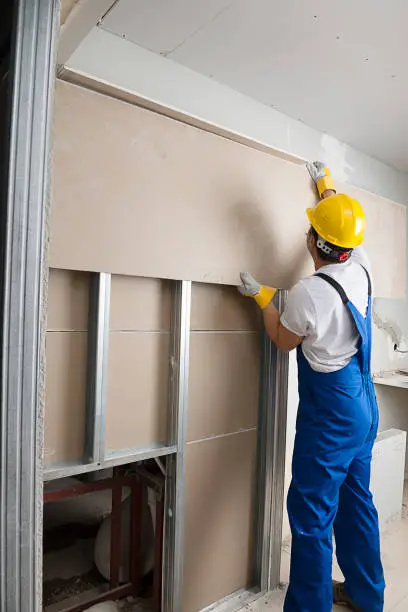
A lot of drywall contractors can install sheets. The real difference appears months later when the project has settled into normal day-to-day conditions.
From what I’ve seen, most recurring drywall issues do not start because someone used the wrong material. They start because important decisions were rushed during preparation, layout, fastening, or finishing. The wall may look fine when the project is completed, but hidden inconsistencies often reveal themselves later through cracks, seam visibility, corner separation, or surface irregularities.
Redrocks Drywall Construction approaches projects differently. Instead of treating drywall work as a sequence of tasks, the entire project is viewed as a connected system. Framing conditions influence installation. Installation influences finishing.
Finishing influences paint appearance. Each stage affects the next. Another reason homeowners choose Redrocks is our experience in identifying issues that are easy to miss during a quick inspection. A visible crack may not actually be the primary problem.
A recurring seam may be connected to movement elsewhere in the wall system. Looking beyond the visible symptom often prevents repeat repairs later. Gregg Martis has completed more than 1000 projects across different residential conditions, from newer construction to older homes with decades of previous modifications.
That exposure creates a practical understanding of how drywall behaves under real-world conditions rather than ideal conditions. Perhaps the biggest difference is the focus on long-term performance. Many contractors evaluate success based on how the wall looks the day they leave the project.
Drywall installation does much more than cover framing. It creates the finished surface that influences how every room looks once painting, trim work, and lighting are complete.
A wall may appear straight during installation, but if sheet placement, seam positioning, or fastening patterns are not handled correctly, those issues often become visible later.
This is why drywall installation is approached as a surface-building process rather than simply attaching panels to a structure. At Redrocks Drywall Construction, installation begins with evaluating the conditions behind the drywall.
Framing alignment, room layout, ceiling transitions, and potential problem areas are reviewed before any sheets are hung. These early decisions influence how the entire surface performs after finishing. A lot of contractors focus on covering walls quickly.
The thing is, drywall quality is usually determined before the installation phase is fully underway. Not every room behaves the same way. New construction, remodeling projects, ceilings, stairwells, and open living spaces all create different installation conditions.
Because of that, sheet layout, joint placement, and fastening strategies are adjusted according to the structure itself rather than following the same approach everywhere.
This helps create a more stable surface and reduces issues that commonly appear after painting. Gregg Martis brings more than 20 years of drywall experience and over 1000 completed projects to every installation.
One lesson has remained consistent throughout those years. Strong drywall results come from preparation, planning, and execution working together. The goal is not simply to install drywall. The goal is to create walls and ceilings that continue to look consistent long after the project is finished.
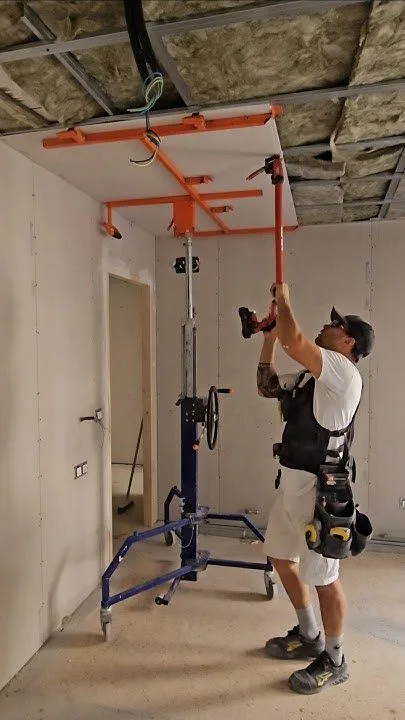
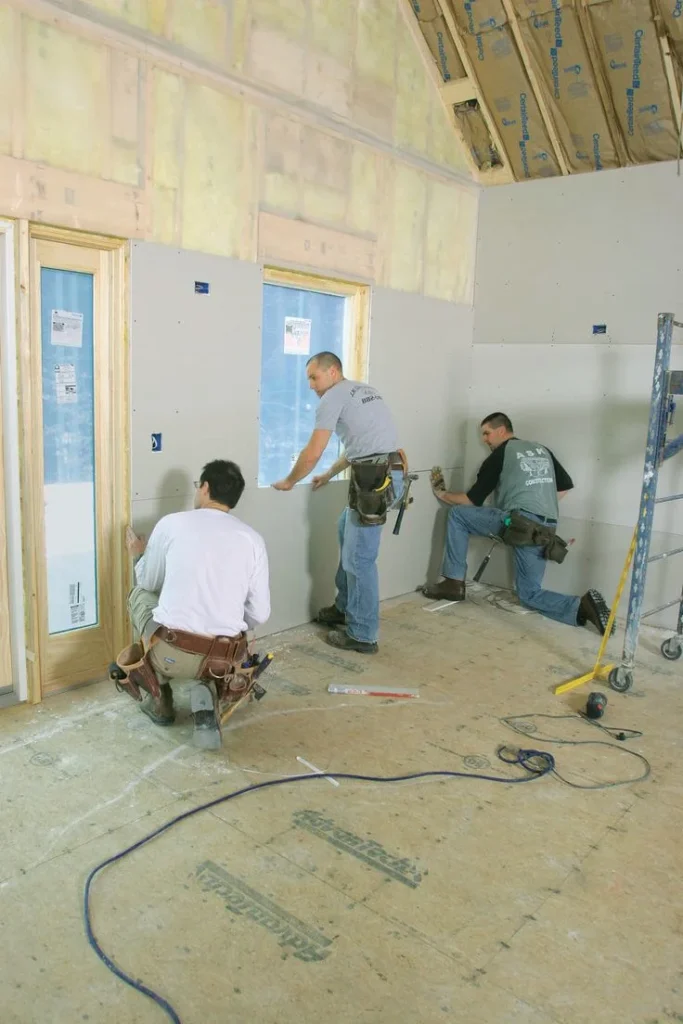
The most important installation decisions happen before a drywall sheet touches the wall. Every project begins with measuring wall and ceiling conditions, reviewing framing alignment, identifying uneven transitions, and locating areas that may create finishing challenges later.
This stage determines sheet orientation, seam placement, fastening strategy, and material requirements. Here’s where most people get this wrong. They think drywall installation begins with hanging sheets.
Actually, installation quality is largely decided during preparation. Poor preparation creates correction work later. Proper preparation reduces correction work before it starts.
This planning stage also helps identify areas where framing adjustments may be necessary before drywall is installed.
Drywall sheets are not randomly placed across walls and ceilings. Layout decisions influence seam visibility, structural stability, and long-term surface appearance. A poorly planned layout can force seams into high-visibility locations.
It can create weak transitions around doors, windows, and corners. It can also increase the amount of finishing compound required to hide inconsistencies.
At Redrocks Drywall Construction, sheet positioning is planned to create balanced joint distribution across the installation area. The objective is not simply covering square footage.
The objective is to create a surface that behaves consistently after finishing, painting, and normal building movement. This becomes especially important in larger rooms where lighting can expose even minor alignment issues.
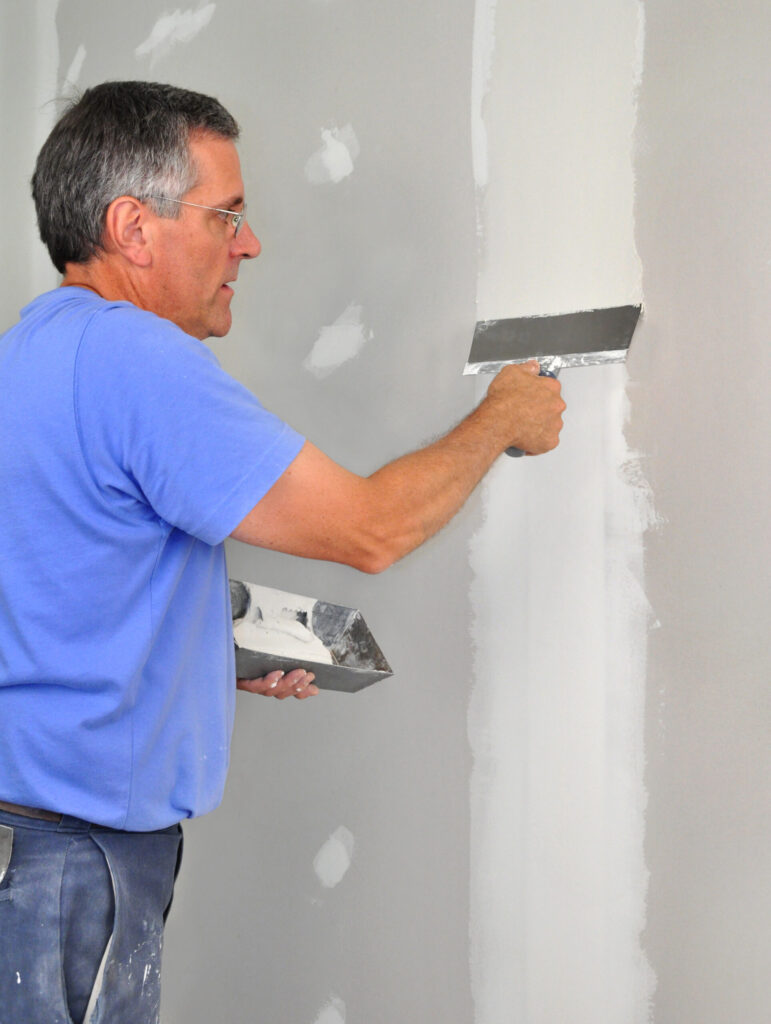
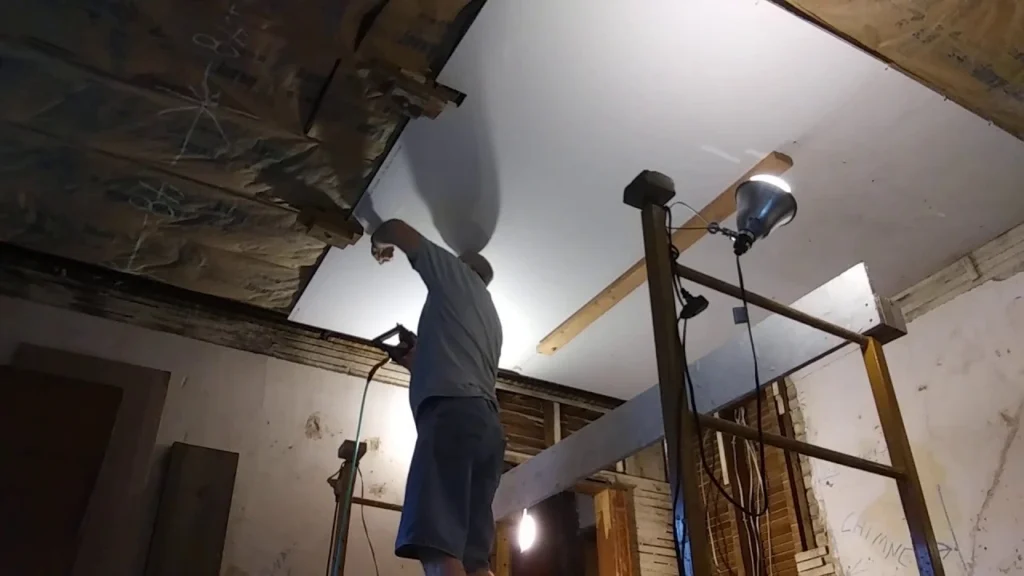
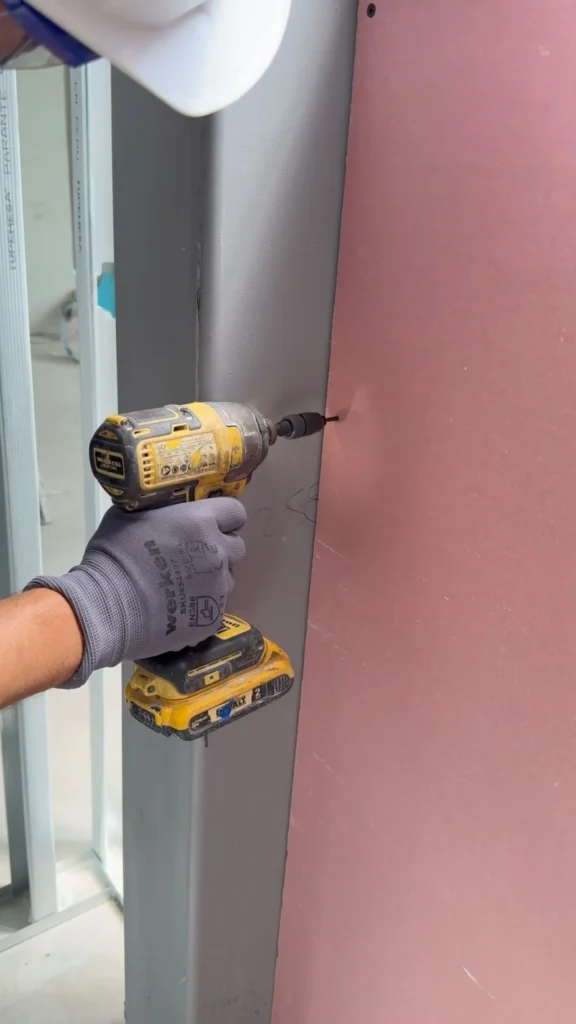
Fasteners hold drywall in place, but they also influence how the surface behaves over time. I’ve seen walls where screw spacing looked acceptable during installation, but later produced visible screw pops because fastening pressure was inconsistent.
The issue was not the drywall itself. The issue was how the drywall was attached to the structure. Proper fastening creates balanced pressure distribution across the sheet. Uneven fastening creates stress points that become visible as the home naturally expands and contracts through seasonal changes.
This is one of those installation details homeowners rarely see, yet it has a direct impact on long-term performance.
Not every section of a drywall installation behaves the same way.
Wall fields often remain stable. Corners, ceiling transitions, stairwells, and connection points experience different stress patterns over time.
These locations require additional attention during installation because they are often where movement-related issues first appear. A lot of contractors apply the same installation approach across the entire project.
The thing is, transition areas rarely behave like standard wall sections. They experience different forces and require different installation considerations. Understanding those differences helps reduce future cracking and corner separation.
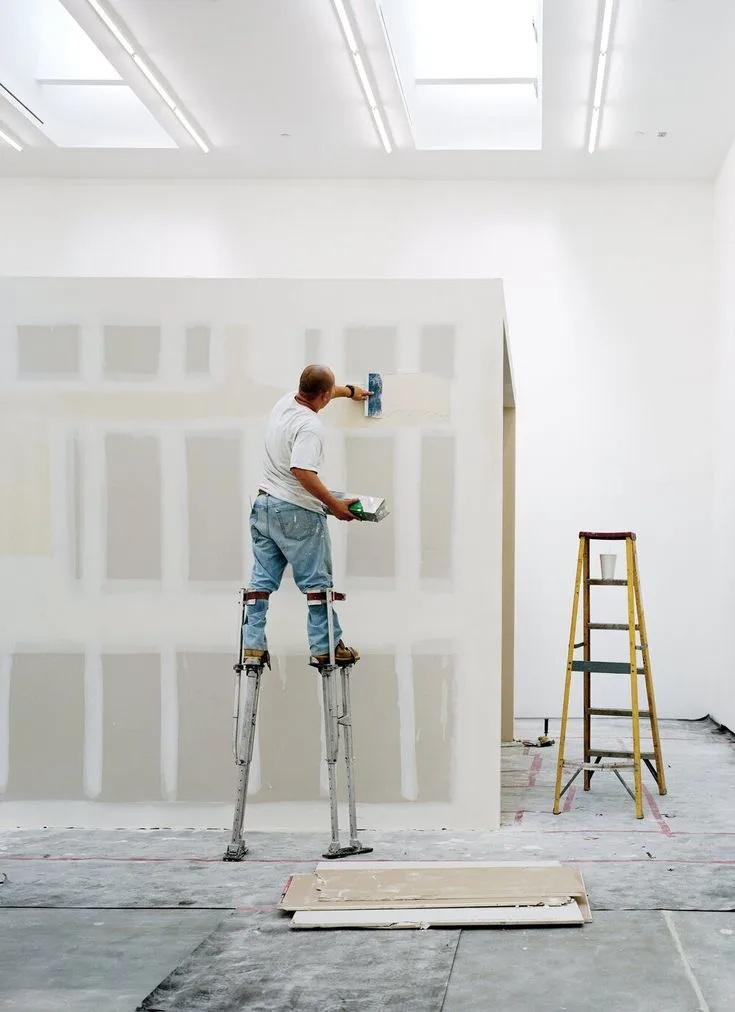
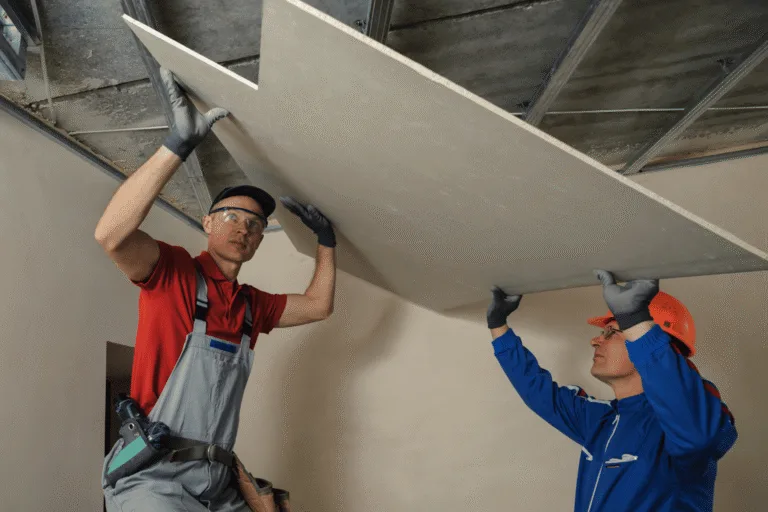
Before taping and finishing starts, installation quality is reviewed across the entire project. Sheet alignment, fastening consistency, corner preparation, seam placement, and transition areas are all checked.
This review stage helps identify issues before finishing materials, making corrections more difficult.
A surprising number of drywall defects originate because quality control happens after finishing rather than before it. The goal is simple. Problems are easier to correct during installation than after paint is applied.
Many drywall problems blamed on finishing actually begin during installation. If sheets are not aligned correctly, finishing crews spend additional time correcting inconsistencies.
If seams are uneven, more compound is required. If sheet edges are poorly positioned, visible transitions become harder to eliminate. Good finishing starts with good installation.
That sounds obvious, but it is one of the most overlooked realities in drywall work. The cleaner the installation phase, the more natural the finished surface becomes. Finishing should refine the wall. It should not be rebuilding installation mistakes.
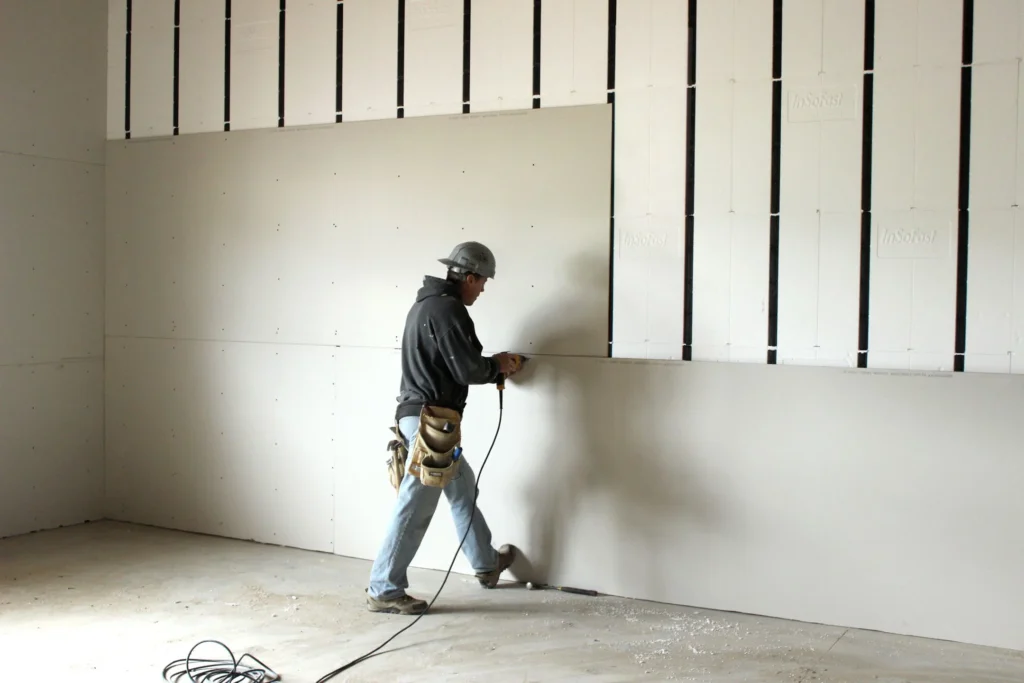
Here are some questions and answers about Red Rocks that clients ask me most of the time. Here, I am adding them for you so you can get all the answers from them.
Framing alignment, fastening distribution, joint treatment, and environmental exposure all influence long-term performance.
Cracks often return when underlying structural movement is not addressed before repair work begins.
No. More serious structural damage requires section replacement instead of surface patching.
This usually happens due to uneven compound layering or incomplete sanding across joint zones.
Skipping structural evaluation and relying only on visible surface conditions before starting work.
Call or email us to book your free, no-obligation assessment. We’ll inspect the damage and provide a clear, upfront quote.
Our expert drywallers arrive on time, prep the area, and perform precise, high-quality repairs—keeping your space clean throughout.
We sand, smooth, and (if requested) paint the surface to match your existing wall—leaving no trace behind.
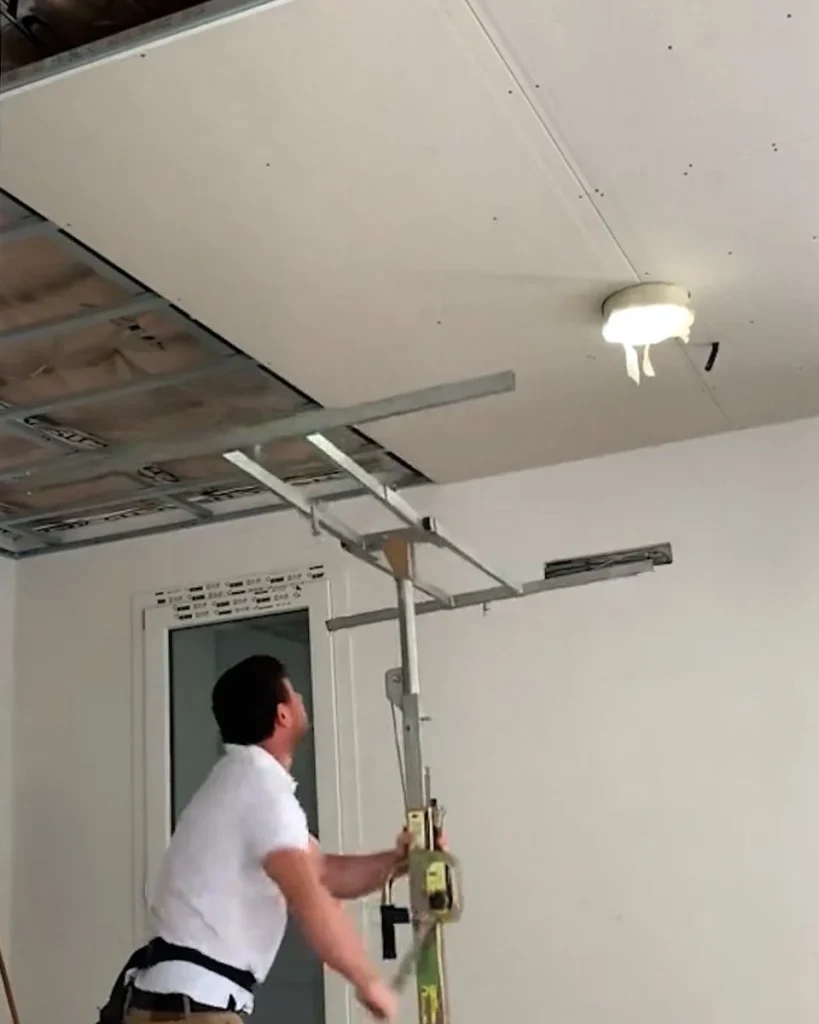
Red Rocks Drywall is a trusted drywall company based in Colorado, specializing in expert installation and repair services. We’re committed to delivering quality workmanship, timely service, and lasting results for homes and businesses alike.